
How to Protect Your Rights After Discovering Construction Defects
How to Protect Your Rights After Discovering Construction Defects
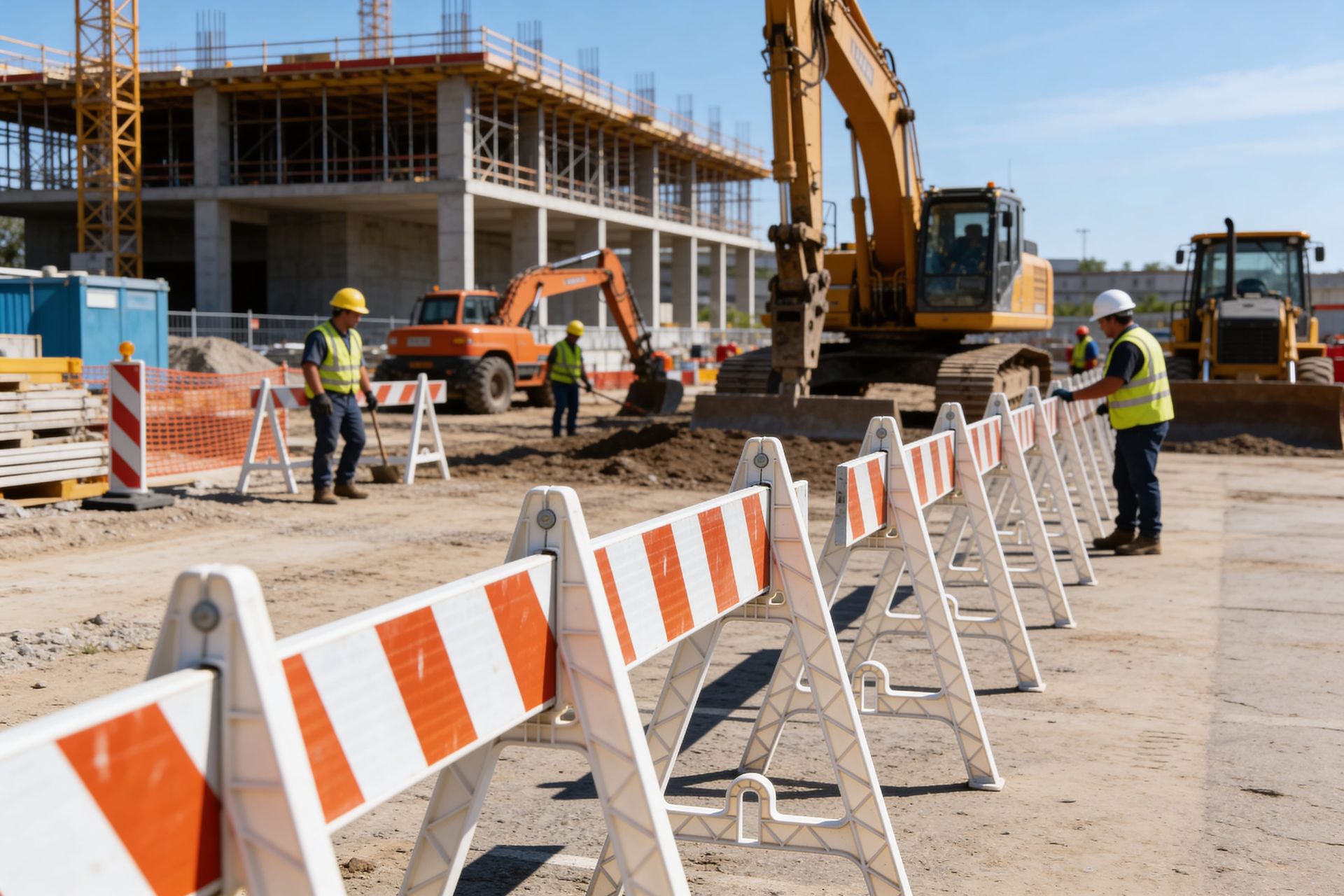
Construction projects require careful planning, quality workmanship, and compliance with building codes. Unfortunately, even well-planned residential and commercial projects can develop construction defects that compromise safety, functionality, and property value. Whether you've noticed foundation cracks, water intrusion, structural concerns, or poor workmanship, taking the right steps early can help protect your legal rights and financial interests.
If you believe your property has construction defects, understanding what to do next is essential. Here's what Houston property owners, developers, contractors, and business owners should know.
What Are Construction Defects?
Construction defects are flaws in the design, materials, or workmanship of a project that result in damage, safety concerns, or a failure to meet contractual or building code requirements. These disputes often involve multiple parties, making it important to determine who may be legally responsible. Patout, Fontana, and Dellis PLLC represents property owners, contractors, subcontractors, developers, and design professionals in construction defect matters throughout Texas.
Common construction defects include:
- Structural or foundation problems
- Water leaks and moisture intrusion
- Roofing failures
- Electrical or plumbing defects
- Improper installation of building materials
- Building code violations
- Defective design plans
- Poor workmanship
- Defective construction materials
Some defects become apparent immediately after construction, while others may not appear until months or even years later.
Document the Defects Immediately
One of the most important steps after discovering a construction defect is gathering evidence. Thorough documentation can help establish the extent of the problem and support any future legal claim.
Consider documenting:
- Photos and videos of the defects
- Dates when problems first appeared
- Repair estimates
- Inspection reports
- Communications with contractors or builders
- Copies of contracts, warranties, invoices, and change orders
The more documentation you have, the easier it may be to demonstrate how the defect has affected your property.
Avoid Making Permanent Repairs Too Soon
While emergency measures may be necessary to prevent additional damage, avoid making permanent repairs before the defect has been properly documented.
If significant repairs are completed too quickly, valuable evidence may be lost, making it more difficult to determine the cause of the defect or identify the responsible parties.
Review Your Construction Contract
Construction contracts often outline each party's responsibilities, warranty provisions, dispute resolution procedures, and deadlines for reporting problems.
Review important provisions such as:
- Warranty obligations
- Notice requirements
- Payment provisions
- Change orders
- Arbitration or mediation clauses
- Contractor responsibilities
Understanding your contractual rights can help determine your available legal options.
Identify the Potentially Responsible Parties
Construction defect cases frequently involve more than one party. Depending on the circumstances, responsibility could fall on:
- General contractors
- Subcontractors
- Architects
- Engineers
- Material suppliers
- Developers
- Property owners
Construction defect disputes often require determining how multiple parties contributed to the issue before pursuing a legal claim.
Understand the Different Types of Construction Defects
Not every defect arises from the same cause. Some of the most common categories include:
Design Defects
Errors in architectural or engineering plans can lead to structural instability, drainage issues, or code violations.
Material Defects
Inferior or defective building materials may fail prematurely, creating safety concerns and expensive repairs.
Workmanship Defects
Improper installation or failure to follow accepted construction practices can affect nearly every part of a building, from roofing systems to plumbing and electrical work.
Subsurface Defects
Improper site preparation, soil movement, erosion, or foundation issues can result in serious structural damage over time.
Each type of defect may require a different legal strategy depending on the facts involved.
Don't Ignore Building Code Violations
Construction projects must comply with applicable local and state building codes. When code violations are discovered, they can create significant financial and safety concerns.
Common examples include:
- Improper electrical systems
- Inadequate structural support
- Plumbing code violations
- Fire safety deficiencies
- Accessibility compliance issues
Code violations may require extensive repairs and can affect future property sales if left unresolved.
Act Before Legal Deadlines Expire
Texas law places time limits on pursuing many construction-related legal claims. Waiting too long could affect your ability to recover damages or enforce your legal rights.
Acting promptly also helps preserve evidence while memories remain fresh and documentation is more readily available.
Work Toward the Right Resolution
Every construction defect case is different. Depending on the circumstances, resolving the matter may involve:
- Negotiation
- Mediation
- Arbitration
- Litigation
The appropriate approach depends on your construction contract, the severity of the defects, and the parties involved. Patout, Fontana, and Dellis PLLC assists clients with construction disputes ranging from contract issues and defect claims to litigation when necessary.
How a Houston Construction Lawyer Can Help
Construction defect claims often involve complicated contracts, technical construction standards, multiple parties, and significant financial stakes. Whether you are a property owner, contractor, developer, subcontractor, or design professional, experienced legal guidance can help protect your interests throughout the process.
Patout, Fontana, and Dellis PLLC represents clients in residential, commercial, industrial, and public infrastructure construction matters, handling everything from contract disputes and mechanics' liens to construction defect claims and litigation throughout Texas.
Contact Patout, Fontana, and Dellis PLLC
Discovering construction defects can be frustrating, but you don't have to navigate the legal process alone. Taking prompt action can help preserve evidence, protect your investment, and position you for the best possible outcome.
If you've discovered construction defects in Houston or anywhere in Texas, contact Patout, Fontana, and Dellis PLLC to discuss your situation and learn about your legal options.
Learn more at https://www.plspllc.com/ or schedule a consultation with the firm's construction law team today.